Exploring Family Connections: How DNA Tests for Siblings in Uncovering Family Bonds
Sibling DNA testing has emerged as valuable tools for understanding familial relationships. They can clarify parentage and reveal connections that were previously unknown. Although these tests offer a window into genetic bonds, they also bring emotional challenges that families need to work through. Such revelations can carry deep implications, sparking inquiries about personal identity and a sense of belonging. How do families cope when the findings contradict deeply rooted assumptions about their relationships? The answers may reshape relationships in unexpected ways.
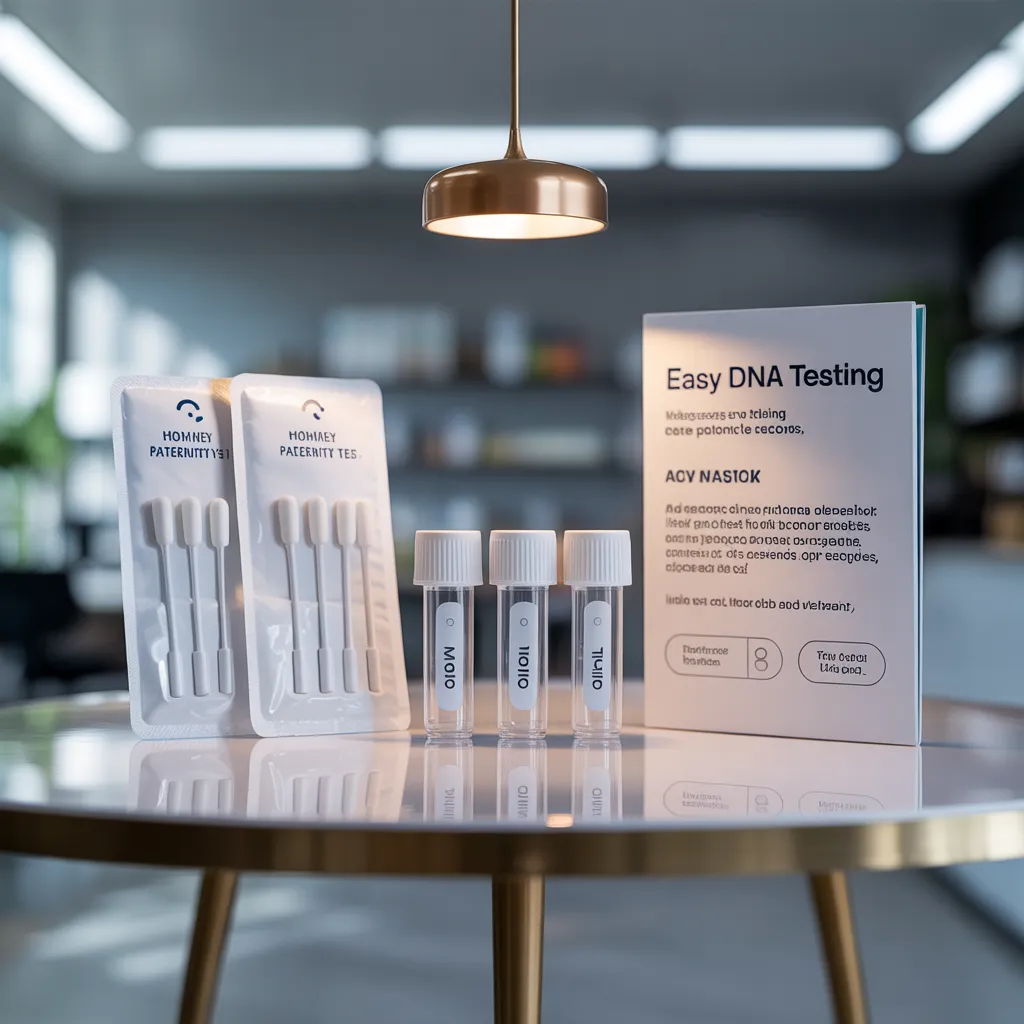
Understanding Sibling DNA Tests and Their Importance
Sibling DNA analyses serve as an invaluable resource for discovering biological relationships among siblings. These analyses examine DNA markers common between people to determine the likelihood of the parties being full siblings, half-siblings, or not related at all. By examining genetic sequences, people can uncover valuable information about their biological ties, which can prove especially beneficial for people navigating complicated familial histories or questions surrounding biological parentage.
Recognizing such connections can greatly affect family dynamics, offering understanding in situations where familial ties have been challenged or unclear. DNA sibling tests can also cultivate a sense of connection and purpose, especially for those looking to explore their ancestry. Additionally, the results can affect emotional bonds, helping siblings navigate feelings of attachment or separation. As the importance of genetic information grows in society, these tests continue to be vital for fostering acceptance and understanding within family structures.
How DNA Testing Exposes Hidden Family Connections
In what ways can DNA testing uncover connections that were not previously known? DNA testing serves as a powerful resource for discovering familial bonds that may not be visible through standard methods. Through the examination of genetic markers, people can uncover biological links to half-siblings, unidentified relatives, or even remote cousins. This method can help untangle intricate family histories, most notably in adoption cases or circumstances where family structures differ from the norm.
The findings can provide new insights about mutual heritage, genetic attributes, and discover now health inclinations. For countless people, this recently discovered understanding can alter their comprehension of family connections and ancestry. Furthermore, DNA analysis may reveal unforeseen family bonds, motivating individuals to examine ties that were formerly unnoticed. Ultimately, the revelations from DNA tests can greatly enhance a person's knowledge of their ancestral history, cultivating a greater respect for the elaborate tapestry of ties that form individual identity.
How Sibling DNA Tests Emotionally Affect Family Relationships
Sibling DNA testing have the potential to greatly influence family dynamics by exposing unexpected connections that challenge honesty and openness. Such findings commonly give rise to complicated emotional responses, as people struggle with their personal identity and family connections. Understanding these emotional effects is essential for managing the aftermath of testing and sustaining strong familial connections.
Honesty and Transparency Concerns
Issues surrounding trust and transparency frequently arise within families when DNA tests between siblings are conducted. Undergoing such testing can reveal concealed family secrets, causing feelings of betrayal among brothers and sisters who once believed they had an uncomplicated relationship. Such revelations can lead to questions about parental honesty and the accuracy of family histories. When results differ from expectations, the emotional consequences can damage relationships, as people wrestle with doubts and feelings of insecurity. Moreover, the felt need to pursue a DNA test can signal underlying trust deficits, implying that family members may struggle to openly address their connections. Consequently, these tests can inadvertently disrupt the foundations of familial trust, further complicating sensitive family dynamics.
Managing Emotional Responses
When unexpected results from sibling DNA tests surface, the emotional terrain within families can transform profoundly. Discoveries about biological relationships can trigger feelings of betrayal, confusion, or anger among siblings. Some may struggle with questions about their identity or the genuineness of their relationships, while others might feel a sense of relief or validation. Managing these emotions requires open communication and empathy, as siblings confront their reactions together. It is essential for family members to allow space for individual feelings without judgment, fostering an environment where healing and understanding can occur. Ultimately, the impact of these tests can either challenge or strengthen family bonds, depending on the approach taken towards the emotional fallout.
How DNA Insights Can Help Strengthen Communication Among Siblings
Recognizing the DNA-based connections among siblings can enhance their relationship, particularly when differences surface. By using findings from genetic testing, siblings can develop a deeper insight on their natural links, which may shed light on root reasons for various tendencies or disagreements. This information encourages compassion, as siblings recognize that genetic variations can impact personality traits and individual choices.
When disagreements arise, consulting genetic knowledge can serve as a neutral ground for discussion. Rather than blaming conflicts entirely on personal distinctions, siblings may recognize that their unique characteristics stem from their genetic composition. This acknowledgment can facilitate a more constructive dialogue, promoting honest discussion about emotions and personal encounters.
In the end, utilizing DNA insights motivates siblings to engage with their relationships through curiosity instead of judgment. By fostering a deeper understanding of each other's genetic backgrounds, siblings can create a more supportive environment that nurtures their bond, even amidst challenges.
Real Stories: How DNA Testing Changed Family Dynamics
Sibling bonds can be deeply affected by the discoveries made possible by DNA testing. In a notable example, two brothers who had grown up separately learned through a DNA analysis that they were connected through a common biological father, resulting in an emotional reunion. This new relationship they had uncovered enabled them to exchange memories and personal stories, enriching their relationship.
In another instance, a lady found out that her half-sibling, who she had always thought was a cousin, was in fact a sibling. This revelation prompted both to explore their family history together, nurturing a sense of connection and understanding that had been absent.
On the other hand, DNA testing at times brings to light startling findings, as in the case of a man who came to realize he was not biologically related to his brothers and sisters. Though the news was initially jarring, this information ultimately resulted in transparent exchanges and a refreshed recognition of the personal connections that define the meaning of family, regardless of genetics.
Ethical Considerations in Sibling DNA Testing
With the progress of genetic testing offering valuable insights into familial bonds, these developments also introduce important ethical concerns. Sibling DNA testing can reveal unexpected relationships, which can potentially alter family dynamics and lead to emotional turmoil. The decision to undergo testing often involves consent from multiple parties, raising questions about autonomy and the right to know one's genetic background. Furthermore, uncovering non-paternity or half-sibling connections can trigger profound feelings of betrayal and insecurity within families.
Privacy challenges also surface, as genetic information is sensitive and may be misused if not sufficiently secured. The potential for discrimination based on genetic predispositions further adds complexity to the ethical terrain. As a result, it is crucial for those thinking about sibling DNA tests to carefully consider the emotional and ethical implications, ensuring that they undertake the journey with thorough knowledge of its likely effects for themselves as well as their family members.
Upcoming Developments in DNA and Family Relationships
In what ways will the changing terrain of genomic analysis alter familial bonds in the coming years? As technological innovation continues, the reach and affordability of DNA examinations are anticipated to rise, enabling more family units to uncover their genetic links. This rise in genetic analysis could lead to a clearer picture of family bonds, revealing formerly hidden connections and challenging long-held ideas of kinship.
Moreover, the rise of at-home genetic testing might cultivate a culture of awareness regarding family lineages and roots. As more and more people explore their genetic profiles, conversations about genealogy, cultural heritage, and family structures will become commonplace.
That said, this phenomenon also raises important questions about consent and privacy, as families manage the complexities of sharing personal genetic data. In the end, the evolving landscape of DNA analysis is likely to cultivate both more meaningful connections and novel challenges, as households adapt to the discoveries and revelations that arise from their genetic legacies.
Commonly Asked Questions
How Precise Are Sibling DNA Tests at Establishing Relationships?
DNA tests for siblings are commonly precise, delivering a considerable chance of establishing relationship confirmation. That said, findings can fluctuate according to shared genetic markers, and supplementary information might be required to comprehensively interpret family relationships.
Are Sibling DNA Tests Able to Uncover Non-Biological Relationships?
Sibling genetic tests primarily reveal biological connections; nevertheless, they can subtly indicate relationships beyond biology by highlighting shared genetic markers. Such discoveries may prompt individuals to investigate family connections beyond standard concepts of family bonds.
At What Age Is It Appropriate to Take a Sibling DNA Test?
The recommended age for completing a sibling DNA test generally starts at 18 years of age, as people at this age are deemed adults who can make well-informed choices. Minors often need parental approval and supervision for interpreting the findings.
How Are Half-Siblings and Full Siblings Distinguished in Sibling DNA Tests?
Sibling DNA testing identify the difference between half and full siblings by analyzing common genetic markers. Full siblings share approximately 50% of their DNA, while half-siblings share approximately 25%, establishing clear differences in family relationships.
Are There Privacy Concerns With Sharing DNA Test Results?
Privacy challenges surface with sharing DNA test results, as persons may unknowingly disclose confidential details about their genetic background. This can affect not only the tested individual but also their biological relations, leading to possible interpersonal conflicts.