The Growth of At-Home Paternity Testing: Reliability, Discretion, and Accessibility
The increasing prevalence of residential paternity testing reflects a considerable transformation in how people handle paternity confirmation. With precision levels commonly reaching beyond 99%, these assessments present a convenient means for collecting DNA samples. However, persistent worries regarding privacy about genetic data remain prevalent. As an increasing number of individuals explore these tests, they need to consider the impact of accuracy, privacy, and emotional consequences. What factors should they prioritize in their decision-making process?
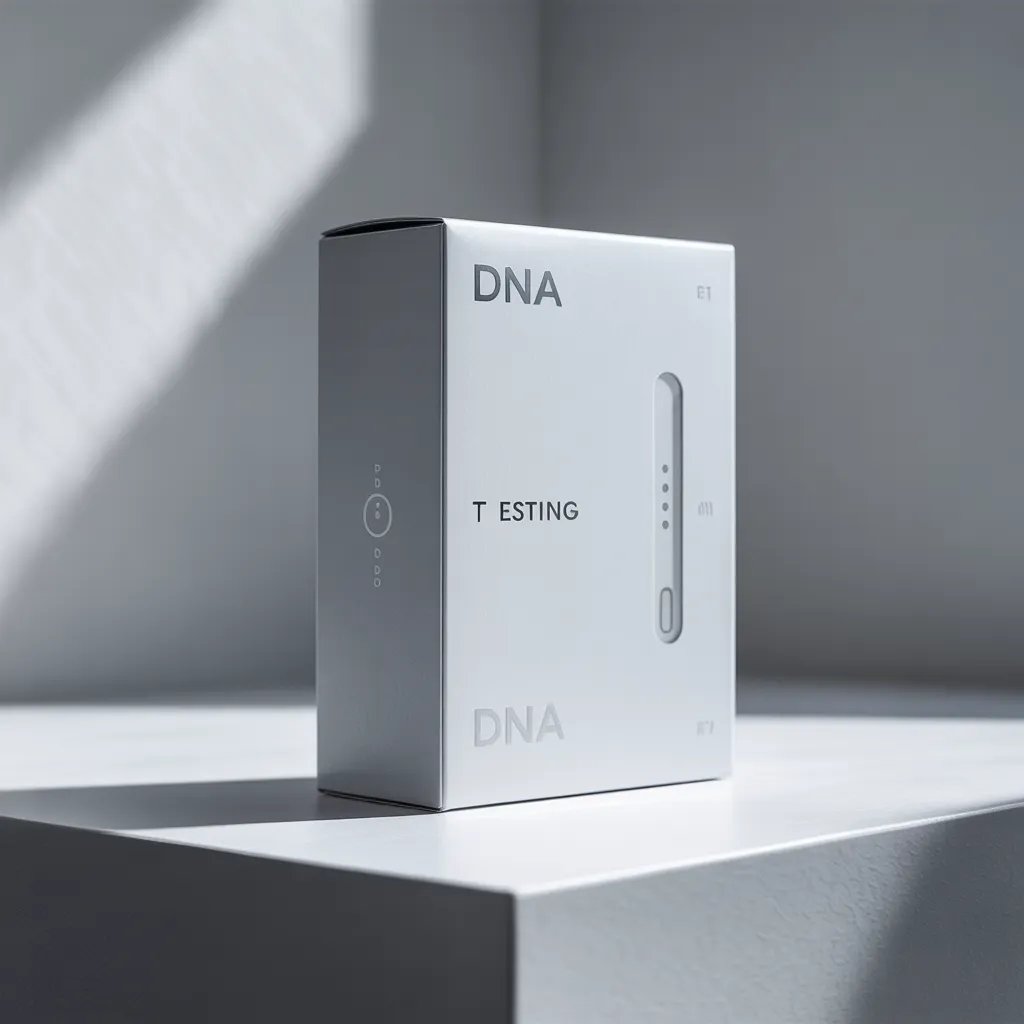
How Do Home Paternity Testing Kits Work?
At-home paternity tests generally operate by means of an uncomplicated method centered around collecting genetic material. Participants obtain a testing package containing swabs designed to gather cheek cell samples, usually from both the prospective father and the child. Individuals are directed to carefully swab the interior of their cheeks to gather sufficient DNA material. Following the collection of the samples, they are stored in specified collection vessels before being mailed to a lab for examination.
In the lab, the DNA is extracted and analyzed to identify specific genetic markers. The examination contrasts the DNA samples of the child and the alleged father to determine paternity. Results are usually available within a few days, and the process is designed to be user-friendly, providing minimal stress. Home testing convenience attracts numerous individuals, enabling people to find results in the seclusion of their own home. This procedure highlights the assessment's rising demand as a trustworthy solution for paternity verification.
What Is the Accuracy of Home Paternity Tests?
How dependable see now are at-home paternity tests for identifying biological connections? Typically, these tests are designed to provide a high degree of accuracy, frequently surpassing 99% when performed properly. These tests examine DNA samples collected from the potential father, child, and occasionally the mother, evaluating genetic markers to confirm a biological connection. That said, the precision of these tests can be compromised by issues like sample contamination or inadequate handling practices.
The majority of home tests utilize sophisticated methods comparable to those in clinical laboratories, yet they may fall short of the strict quality control characteristic of professional testing. In addition, results can vary between various brands and products, underscoring the significance of identifying a trusted supplier. While home paternity tests can offer a reliable sign of biological ties, individuals should proceed carefully, considering that significant emotional and legal ramifications may stem from the findings. At the end of the day, for absolute certainty, working with a professional testing facility is recommended.
What Are the Main Privacy Issues to Consider?
Although home paternity tests provide a convenient way to establish familial biological ties, they also raise significant privacy concerns. The gathering and management of genetic samples, often in the form of saliva or cheek swabs, has the potential to cause unauthorized access or misuse. Many companies do not guarantee the security of collected samples, leaving individuals vulnerable to data breaches.
Furthermore, the findings may be disclosed to third parties without express consent, heightening fears of discrimination or discrimination. Customers may also be not fully aware of how their genetic information will be stored or potentially used for research aims.
Moreover, the psychological ramifications associated with surprising discoveries can further obscure the privacy landscape. Overall, while these tests provide ease and accessibility, the lack of stringent regulations and accountability in the handling of personal data prompts critical examination about people's fundamental right to privacy and control over their own genetic information.
How Do Test Results Affect Emotions?
The emotional fallout from paternity test results can be significant and extensive. People may experience a range of reactions, ranging from joy and comfort to feelings of betrayal and anger. For many people, a positive match can validate longstanding assumptions, fostering a bond of trust and reassurance. On the other hand, a negative result may lead to a sense of confusion, disbelief, and sorrow, particularly if a family relationship is called into question.
These emotions often spread beyond the individual to impact relationships within families. Mothers and fathers might struggle with guilt or fear concerning what this means for their children, while siblings might face shifts in their perceptions of family dynamics. Additionally, public stigma can worsen these sentiments, as individuals navigate societal expectations surrounding parentage. At the core of it all, the psychological impact of paternity testing outcomes varies widely, highlighting the complex interplay between identity, trust, and emotional well-being.
Key Factors for Choosing a Home Paternity Test
Steering through the complex emotions in the wake of paternity test results frequently causes people to contemplate their next steps carefully, particularly when selecting a home paternity test. A number of important considerations deserve attention to secure a dependable and favorable outcome.
To begin, precision is essential; people ought to look for tests featuring high sensitivity and specificity levels. Furthermore, usability is of great importance; a clear and direct collection method can minimize stress. Confidentiality represents another major consideration; credible firms are expected to secure the careful handling of sensitive data and results.
Expense is also a key factor; prospective users should balance the cost against the assessment's reliability and customer support. Finally, client feedback and testimonials offer valuable perspectives from previous users, providing direction when navigating available choices. By evaluating these factors, individuals can make informed choices that align with their needs and expectations.
Common Questions and Answers
Can Home Paternity Tests Be Used as Legal Evidence in Court?
At-home paternity tests are commonly not legally admissible in court due to concerns about accuracy and the lack of standardized procedures. Courts generally mandate analyses carried out by certified laboratories to be considered credible legal proof in paternity proceedings.
How Long Do Home Paternity Test Results Take?
Home paternity test results typically take three to five business days to be processed. Certain providers offer accelerated processing services, reducing the wait time to approximately 24 hours, depending on the specific testing method used.
Is Retesting an Option if I'm Uncertain About My Results?
Yes, users can take the test again if unsure of their results. It's advisable to allow some time to pass before testing again to guarantee accuracy. Seeking professional advice can also offer insight into the most appropriate course of action.
What Samples Do You Need for Home Paternity Tests?
At-home paternity tests generally need buccal swabs from the child as well as the potential father, however some kits may also accept blood samples. Proper collection and handling of these samples are essential for accurate results.
Are There Age Restrictions for Testing Children?
There are typically no particular age limitations when testing children using home paternity tests. That said, acquiring approval from a legal guardian is usually mandatory, making certain that the child's rights and privacy are upheld during the entire process.