The Emergence of Home-Based Paternity Tests: Reliability, Discretion, and Accessibility
The rise of residential paternity testing highlights a notable shift in how families approach paternity confirmation. With reliability rates frequently surpassing 99%, these assessments present a accessible means for gathering genetic samples. However, underlying concerns about privacy about genetic data are still widespread. As an increasing number of individuals evaluate such testing options, they need to carefully assess the impact of privacy, accuracy, and emotional impact. Which considerations should guide them in making this important decision?
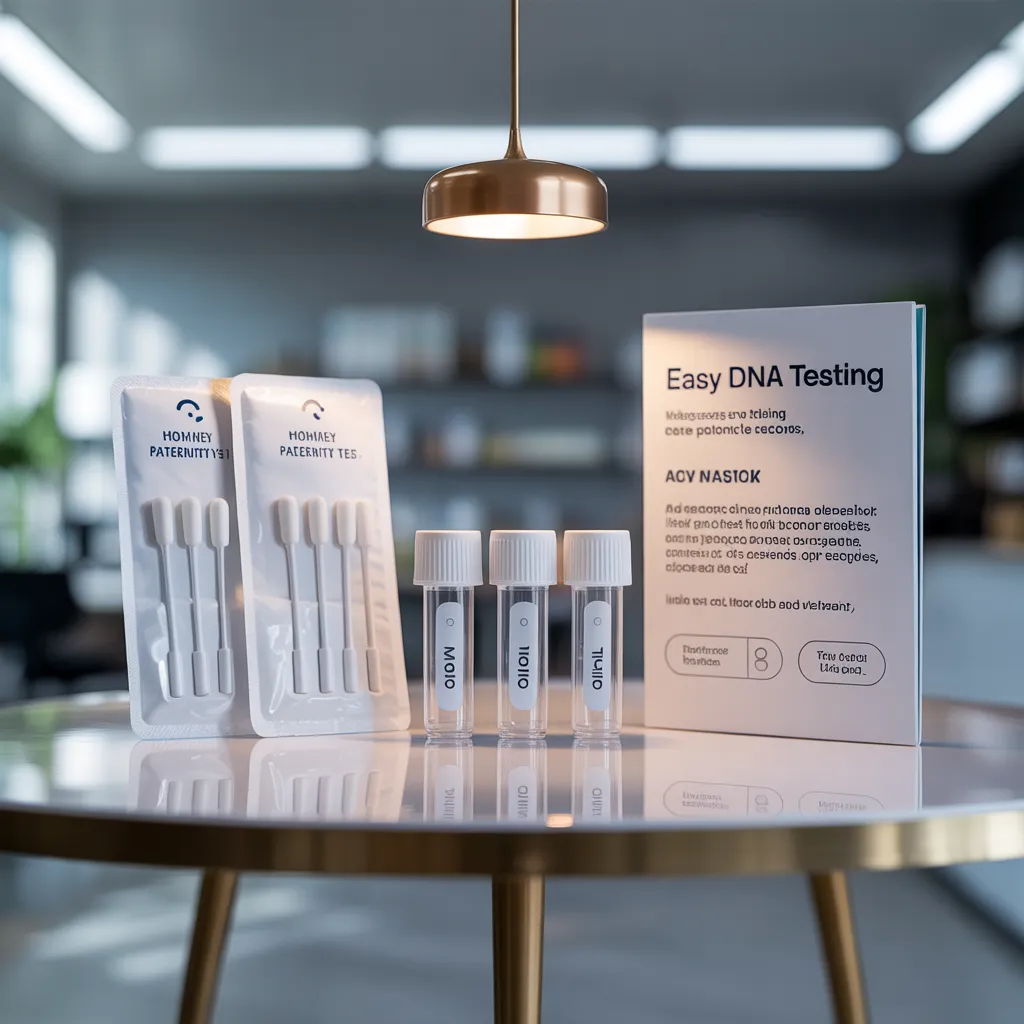
How Do Home Paternity Tests Work?
Home paternity tests typically function by means of an uncomplicated method involving the collection of DNA samples. Participants obtain a testing package containing swabs designed to gather cheek cell samples, usually from both the prospective father and the child. Users are instructed to gently rub the swabs inside their cheeks so as to obtain enough DNA for testing. Following the collection of the samples, they are stored in specified collection vessels and then forwarded to a testing facility for evaluation.
Within the lab, the DNA is collected and examined to pinpoint particular genetic indicators. This analysis compares the DNA profiles of the child and the alleged father to determine paternity. Outcomes are generally provided within a few days, and the process is designed to be user-friendly, ensuring minimal discomfort. The ease of at-home testing resonates with many people, enabling people to find results in the privacy of their own environment. This process underscores the test's growing popularity as a dependable choice for establishing paternal identity.
How Reliable Are Home Paternity Tests?
How dependable are at-home paternity tests for identifying biological connections? In most cases, these tests are reported to deliver a high accuracy rate, commonly exceeding 99% when administered under the right conditions. They analyze DNA samples from the alleged father, child, and sometimes the mother, comparing genetic markers to establish a relationship. Nevertheless, the reliability of results may be affected by elements such as sample contamination or incorrect handling procedures.
Many home tests employ cutting-edge approaches similar to those in clinical laboratories, yet they may fall short of the rigorous supervision associated with professional testing. In addition, results can vary between different brands or kits, underscoring the importance of identifying a reputable provider. While home paternity tests can offer a clear suggestion of genetic connections, individuals should approach them with caution, considering that legal and emotional implications may result from the findings. In the end, for absolute certainty, working with a professional testing facility is strongly encouraged.
What Privacy Concerns Should You Know About?
Although home paternity tests provide an accessible means of determining genetic connections, they also raise significant privacy concerns. The acquisition and processing of genetic data, often in the form of saliva or cheek swabs, has the potential to cause unlawful access or exploitation. A large number of firms do not assure the privacy of provided specimens, exposing individuals to the risk of data breaches.
Moreover, the findings may be disclosed to third parties without express consent, amplifying concerns of social stigma or discrimination. Consumers may also be uninformed of how their genetic information will be retained or potentially used for research objectives.
Additionally, the psychological ramifications view this guide stemming from surprising discoveries can further obscure the privacy landscape. In summary, while these tests provide user-friendliness and accessibility, the absence of strict regulatory oversight and accountability in the handling of personal data prompts critical examination about personal rights regarding data privacy and authority over their individual genetic material.
How Do Test Outcomes Impact Emotional Well-Being?
The psychological impact from paternity test results can be significant and extensive. Individuals may experience a spectrum of feelings, ranging from joy and comfort to feelings of betrayal and anger. For many people, a positive match can validate longstanding assumptions, fostering a feeling of belonging and stability. On the other hand, a negative result may lead to emotions of uncertainty, bewilderment, and grief, particularly if a familial bond is challenged.
Such feelings often spread beyond the individual to influence bonds within the family unit. Parents could wrestle with guilt or fear concerning what this means for their children, while siblings could encounter changes in how they view family relationships. Furthermore, public stigma can worsen these sentiments, as individuals navigate societal expectations surrounding parentage. Ultimately, the emotional toll of the results of paternity testing differs considerably, highlighting the complex interplay between identity, trust, and emotional well-being.
Important Factors to Consider When Choosing a Home Paternity Test
Navigating the emotional landscape after paternity test results frequently causes people to think carefully about their next steps, particularly when choosing a home paternity test. A number of important considerations require careful thought to guarantee a trustworthy and positive outcome.
As a primary consideration, precision is essential; individuals should seek tests with high sensitivity and specificity rates. Following this, usability is of great importance; a simple gathering process can ease concerns. Personal privacy stands as another important issue; credible firms are expected to secure the careful handling of sensitive data and results.
Cost is also a factor; potential users should weigh the price against the test's credibility and support services. In addition, customer reviews and testimonials provide insights into the experiences of others, providing direction when navigating available choices. By evaluating these factors, individuals can make informed choices that align with their needs and expectations.
Frequently Asked Questions
Are At-Home Paternity Tests Accepted as Legal Evidence in Court?
DIY paternity tests are generally not legally admissible in court because of accuracy concerns and the absence of standardized procedures. Judicial proceedings commonly require analyses carried out by certified laboratories to serve as valid legal evidence in paternity disputes.
What Is the Turnaround Time for Home Paternity Test Results?
Home paternity testing results usually take between three to five days for processing. Some companies offer faster turnaround options, reducing the wait time to approximately 24 hours, based on the particular testing method selected.
Can I Take the Test Again if I'm Unclear About My Results?
Certainly, individuals can take the test again if uncertain about the results. It is best to wait a short period before retesting to confirm reliable results. Speaking with an expert can also provide guidance on the best steps to take.
Which Samples Are Required for At-Home Paternity Tests?
Residential paternity test kits generally need cheek swabs from both the child and the presumed father, however certain kits can also accommodate blood specimen samples. Correct collection and careful handling of these samples is critical to achieving accurate results.
Are There Age-Related Limitations for Children's Testing?
There are generally no specific age restrictions for testing children with home paternity tests. Nevertheless, securing consent from a legal guardian is generally necessary, ensuring the child's rights and privacy are respected throughout the process.