The Rise of Home Paternity Tests: Precision, Confidentiality, and Ease
The growing popularity of residential paternity testing represents a significant transformation in how people navigate parentage verification. With precision levels commonly reaching beyond 99%, these assessments present a convenient means for DNA sample collection. However, underlying worries regarding privacy about personal genetic information are still widespread. As more people explore this form of testing, they need to carefully assess the impact of emotional consequences, accuracy, and privacy. Which considerations should guide them in their decision-making process?
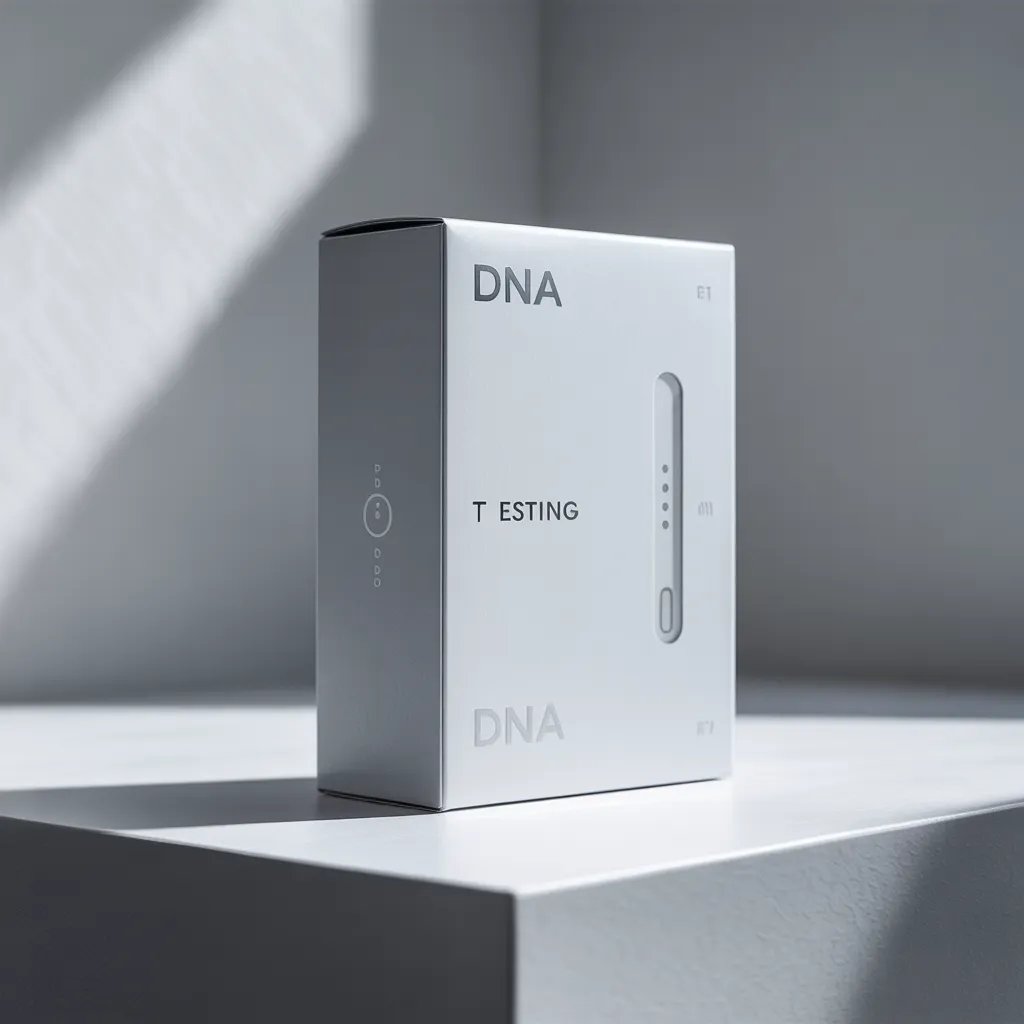
How Do At-Home Paternity Tests Work?
Residential paternity tests commonly work via a simple procedure involving the collection of DNA samples. Participants obtain a testing package that includes swabs for collecting cheek cells, typically from the potential father and child. Users are instructed to gently rub the swabs inside their cheeks so as to obtain enough DNA for testing. Following the collection of the samples, they are stored in specified collection vessels and then forwarded to a testing facility for evaluation.
In the lab, the DNA is extracted and analyzed to pinpoint particular genetic indicators. This evaluation matches the DNA patterns of the child and the alleged father to confirm paternal relationship. Outcomes are generally provided within a few days, and the procedure is intended to remain user-friendly, providing minimal stress. The ease of at-home testing resonates with many people, permitting individuals to obtain clarity in the comfort of their personal space. This procedure highlights the assessment's rising demand as a trustworthy solution for establishing paternal identity.
How Reliable Are Home Paternity Tests?
How dependable are at-home paternity tests for identifying biological connections? In most cases, these tests are reported to deliver a high accuracy rate, commonly exceeding 99% when administered under the right conditions. The process involves analyzing DNA specimens from the presumed father, child, and in some instances the mother, matching genetic markers to determine a relationship. However, the accuracy can be influenced by factors such as sample contamination or improper handling.
The majority of home tests utilize advanced techniques similar to those in clinical laboratories, yet they may fall short of the stringent oversight associated with professional testing. In addition, results can fluctuate between various brands and products, underscoring the significance of selecting a reliable source. While home paternity tests can offer a clear suggestion of familial relationships, individuals should exercise discretion, bearing in mind that serious legal and personal consequences may result from the findings. Ultimately, for complete confidence, seeking guidance from an accredited lab is recommended.
What Are the Privacy Concerns?
Whereas home paternity tests present a convenient way to establish biological relationships, they also raise notable concerns regarding privacy. The acquisition and processing of genetic data, often in the form of cheek swabs or saliva samples, can lead to improper access or misappropriation. A large number of firms do not assure the privacy of provided specimens, placing individuals at risk of privacy violations.
In addition, the data may be shared with third parties without clear consent, intensifying concerns of stigmatization or prejudice. Users may also be uninformed of how their genomic data will be retained or potentially applied to research objectives.
In addition, the emotional consequences linked to unexpected results can complicate the privacy landscape. In summary, while these examinations present simplicity and widespread availability, the shortage of robust regulatory frameworks and openness in how data is managed prompts critical examination about personal rights regarding data privacy and autonomy over their personal genetic data.
In What Ways Do Test Results Influence Emotions?
The emotional fallout from paternity test results can be deep and wide-ranging. Those involved may experience a range of reactions, ranging from happiness and relief to resentment and heartbreak. For many people, a positive match can confirm deeply held convictions, fostering a feeling of belonging and stability. Conversely, a negative result may lead to feelings of doubt, confusion, and heartbreak, particularly if a familial bond is challenged.
Such feelings can extend beyond the individual to influence relationships within families. Mothers and fathers might struggle with fear and guilt concerning what this means for their children, while siblings could encounter changes in how they view family relationships. Furthermore, social stigma can exacerbate these feelings, as people manage the social pressures related to parenthood. In the end, the mental effect of the results of paternity testing differs considerably, highlighting the complex interplay between identity, trust, and emotional well-being.
Important Factors to Consider When Choosing a Home Paternity Test
Navigating the emotional landscape after paternity test results commonly prompts individuals to consider their options thoughtfully, particularly when selecting a home paternity test. Several key factors require careful thought to guarantee a trustworthy and positive outcome.
As a primary consideration, accuracy remains crucial; people ought to look for tests featuring high sensitivity and specificity levels. Additionally, usability is of great importance; a simple gathering process can ease concerns. Personal privacy stands as another important issue; trustworthy providers must ensure the safe management of personal information and outcomes.
Cost is also a factor; those considering the service should measure the fee against the test's legitimacy and available support. Lastly, client feedback and testimonials offer valuable perspectives from previous users, providing direction when navigating available choices. Through careful assessment of these elements, people can arrive at well-informed decisions that match their personal requirements and goals.
Common Questions and Answers
Can Home Paternity Tests Be Used as Legal Evidence in Court?
At-home paternity tests are commonly not legally admissible in court owing to reliability issues and a lack of consistent testing protocols. Courts typically require analyses carried out by certified laboratories to be considered credible legal proof in paternity proceedings.
How Long Does It Take to Get Home Paternity Test Results?
Results from home paternity tests generally take anywhere from three to five days to be processed. Some companies offer expedited services, reducing the wait time to as little as 24 hours, depending on the specific testing method used.
Can I Take the Test Again if I'm Unclear About My Results?
Certainly, people can retest if not confident in the results. It is recommended further information to wait a short period before testing again to ensure accuracy. Speaking with an expert can also offer insight into the most appropriate course of action.
Which Samples Are Required for At-Home Paternity Tests?
Home paternity tests generally need buccal swabs from the child as well as the potential father, although some kits may also accept blood specimen samples. Appropriate collection and proper handling of such samples are vital for obtaining reliable results.
Are There Age Restrictions for Testing Children?
Generally speaking, there are no strict age restrictions for conducting home paternity tests on children. However, obtaining consent from a legal guardian is typically required, making certain that the child's rights and privacy are upheld during the entire process.