Home Paternity Testing: All the Essential Information Before Making a Purchase
At-home paternity tests have become increasingly popular due to their convenience and accessibility. These testing kits permit individuals to confirm biological relationships with basic cheek swab samples. Nevertheless, the realm of at-home testing is quite intricate. Reliability, legal ramifications, and privacy matters are essential factors to keep in mind. When interested individuals evaluate their alternatives, comprehending these aspects is of utmost importance. What should a person consider before committing to such an important choice? The solution may not be as clear-cut as one might expect.
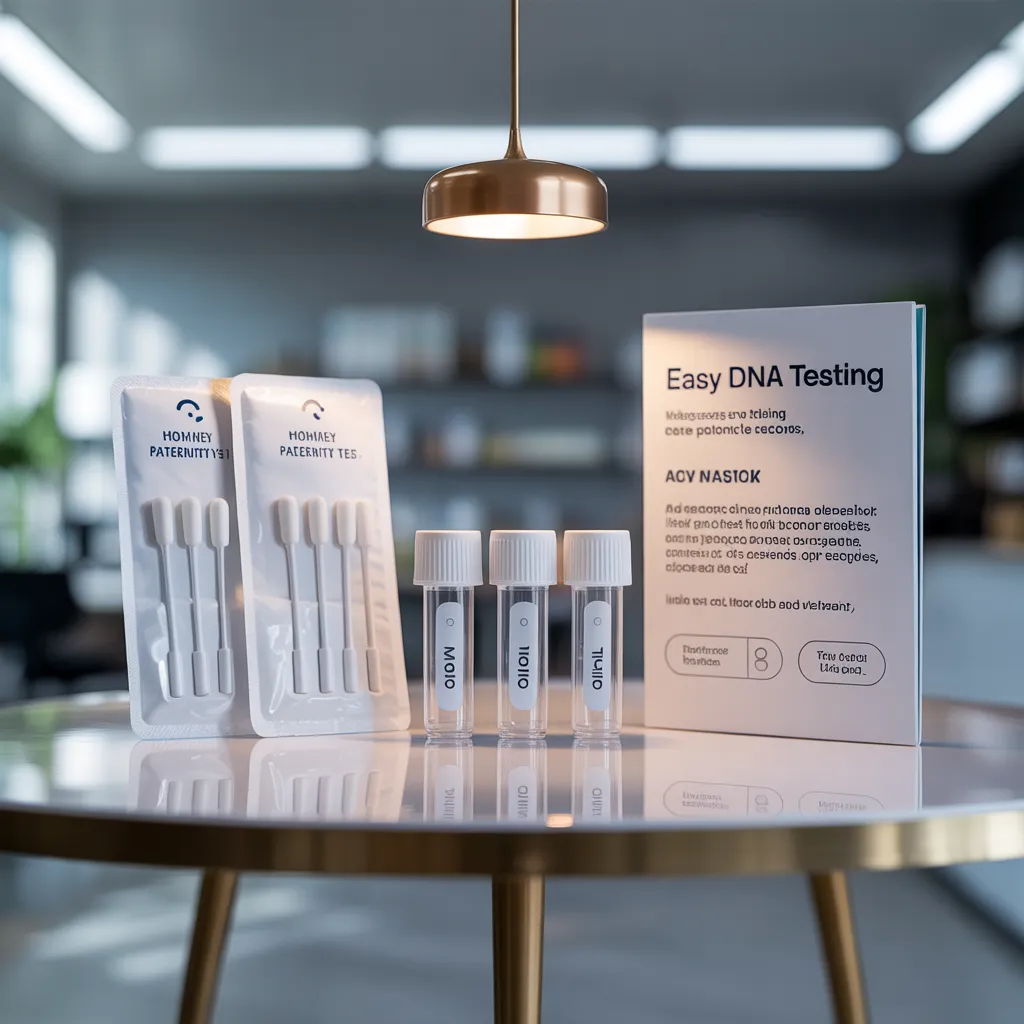
What Is a Home DNA Paternity Test and How Does It Operate?
A home paternity test is a practical solution for individuals seeking to establish paternity connections without the necessity of a lab visit. These testing solutions enable users to gather DNA specimens in the comfort of their own home, try now typically through a simple cheek swab. Once the samples have been obtained, they are mailed to a specialized laboratory for processing.
The lab analyzes the DNA using advanced techniques to evaluate genetic markers between the alleged father and child. Results are usually available within a few days, providing clear evidence of paternity. At-home paternity tests are crafted for simplicity, commonly provided with thorough instructions to guarantee accurate sample collection. While these tests can provide conclusive results, it is crucial to consider the credibility of the testing company and the possible emotional impact of the results. Ultimately, home paternity tests offer a practical choice for people investigating biological family ties.
Which Home Paternity Tests Can You Choose From?
Residential paternity tests exist in several varieties, primarily categorized into legally admissible and non-admissible tests. Every variety utilizes different DNA collection methods and varies in reliability and accuracy. Comprehending these variations is important for individuals seeking clarification on paternity issues.
Legal Versus Non-Legal Tests
As many individuals turn to paternity tests for personal certainty, grasping the difference between legal and non-legal testing options is of great importance. Legal tests are conducted under strict protocols, guaranteeing that the findings are admissible in court or for formal applications. These tests typically require the involvement of a certified laboratory and often include direct oversight throughout the DNA collection process.
Unofficial paternity tests, by contrast, tend to be more readily available and may be conducted in the privacy of one's home, providing results for personal knowledge rather than legal validation. Although they provide a more convenient and faster turnaround, their findings are not admissible in legal situations. Consequently, those seeking answers should weigh their personal needs carefully when selecting between these two forms of paternity testing.
Methods of DNA Collection
Comprehending the different DNA collection methods applicable to paternity testing empowers individuals to decide with confidence. Home paternity tests typically utilize buccal swabs, which consist of collecting cheek cells using a gentle swab. This method is simple, minimally intrusive, and can be done without expert help. Some kits may also offer saliva samples, offering an choice for those who would rather not use swabs. In rare cases, hair samples can be employed, although this method is less reliable due to potential contamination and the necessity of having root follicles. Each gathering approach has particular guidelines, underscoring the importance of adhering to instructions to ensure the quality of the sample. Choosing the appropriate method is essential for precise outcomes.
Accuracy and Trustworthiness Factors
When examining paternity testing, the precision and dependability of the results depend on the type of test chosen. Home paternity tests generally are divided into two categories: non-invasive and invasive. Non-invasive tests, which typically utilize cheek swabs, offer a high degree of accuracy when performed correctly. These tests examine DNA samples for genetic markers that establish biological relationships. Invasive tests, though rarely used in home settings, may utilize blood samples and can provide considerably more precise results. Furthermore, the caliber of the laboratory conducting the analysis plays a critical role in reliability. Buyers should select tests accredited through accredited laboratories to secure trustworthy outcomes. Recognizing these considerations is vital for anyone considering a home paternity test.
What Is the Accuracy of Home Paternity Tests?
Residential paternity tests vary in their methodologies, which can greatly impact accuracy. A review alongside professional laboratory analyses highlights notable differences in reliability and precision. Recognizing these elements is essential for individuals seeking reliable findings.
An Overview of Test Methodologies
Paternity tests employ advanced methodologies to determine familial ties, and home testing kits have gained popularity for their ease of use and availability. These examinations predominantly assess DNA material obtained from those being tested, commonly using oral swabs. Such kits make use of polymerase chain reaction methodology, which amplifies specific DNA sequences, facilitating analysis against recognized genomic indicators. Moreover, the majority of home kits evaluate a minimum of 15 to 21 markers to ensure accurate outcomes. This procedure is intended to provide outcomes within days, frequently from the convenience of one's residence. However, the effectiveness of these tests relies on accurate sample procurement and compliance with guidelines. Understanding the methodologies behind these tests is critical for individuals assessing their accuracy and effectiveness.
Precision Assessment Against Laboratories
The reliability of home-based paternity tests is commonly measured against professional laboratory outcomes, sparking debate regarding their accuracy. Home tests commonly advertise an accuracy rate exceeding 99%, comparable to that of accredited labs. However, elements including specimen collection, processing, and analytical methods can affect outcomes. Accredited laboratory assessments involve rigorous quality controls and chain-of-custody protocols, which guarantee a higher level of reliability. In contrast, at-home tests may lack these safeguards, raising the likelihood of inaccuracies. Moreover, laboratories often provide legal documentation, something home tests cannot offer. Users ought to thoughtfully evaluate these factors; although home tests may provide initial guidance, definitive results are best obtained through professional testing. At the core, the selection between methods should reflect the context and necessity of accuracy.
Legal Aspects of Home Paternity Testing
Since numerous individuals pursue the ease of at-home paternity tests, it is crucial to understand the legal considerations related to such tests. At-home paternity tests typically provide results that are inadmissible in legal proceedings. This drawback arises from the lack of standardized protocols and chain-of-custody records, which are vital for court proceedings.
Moreover, people ought to familiarize themselves with jurisdiction-specific regulations pertaining to paternity. A number of regions require defined processes when establishing legal paternity, especially when it pertains to child support or custody issues.
Moreover, findings from home paternity tests might lead to personal and family-related consequences, affecting decisions related to child support or parental rights. Consulting with a legal expert before performing a home paternity test can help navigate these complexities, making certain that people are aware of their rights and responsibilities. All things considered, while practical, home paternity tests come with significant legal considerations that should not be overlooked.
Choosing a Home Paternity Test Provider
How can one guarantee they are selecting a reliable home paternity test provider? To confirm quality and precision, individuals ought to start by examining the provider's credentials. Reputable companies typically have certifications from recognized organizations, such as the American Association of Blood Banks (AABB). It is equally important to review customer feedback and testimonials, as these perspectives can shed light on the experiences of previous clients. Openness in pricing and services rendered is an additional sign of trustworthiness; reputable providers will straightforwardly present costs without undisclosed fees. Moreover, reviewing the provider's laboratory standards is necessary. Certified laboratories follow rigorous quality control protocols, ensuring precise results. Finally, considering customer support options can be beneficial. An attentive support staff can address questions and offer direction throughout the testing procedure. By adhering to these recommendations, people can reach a well-informed conclusion when selecting a home paternity test provider.
What Privacy Concerns Exist With Home Paternity Testing?
Choosing a trustworthy home paternity test provider involves multiple aspects, and privacy concerns constitute a significant part of the evaluation process. Consumers pursuing home paternity testing should understand how their genetic information will be processed. Several testing organizations collect sensitive information, and weak privacy protocols can result in data breaches or unauthorized exploitation.
Moreover, consumers should carefully assess the organization's data storage policies, as various providers may keep genetic records without a defined time limit. This raises issues about potential breaches or leaks, especially considering that data security is increasingly at risk.
An additional concern is the protection of data; several providers may disclose data with outside entities, including insurers or government authorities, without direct permission. As a result, it is imperative for users to carefully examine data protection policies and ensure that their preferred service adheres to strict privacy regulations before moving forward with testing.
How to Interpret Your Home Paternity Test Results?
Interpreting the outcomes of a home paternity test can be vital for individuals pursuing insight about family relationships. Generally, outcomes will show whether the individual tested is the genetic father of the child. A probability percentage is commonly provided, with a result above 99 percent typically verifying paternity, while smaller figures suggest the absence of a biological relationship.
The report might also contain certain genetic markers, which analyze the DNA profiles of the minor and the alleged father. If the markers match, this reinforces the claim of paternity.
It is important to take into account the credibility of the testing service, as precision can fluctuate. Moreover, residential tests lack legal validity and might be inadmissible in legal proceedings. Individuals are advised to consult with a genetic counselor or legal expert if outcomes generate important questions or issues. Accurate analysis of findings can greatly influence personal and legal decisions concerning parental obligations and rights.
Questions We Often Receive
Do Home Paternity Tests Have the Ability to Determine Sibling Relationships?
Residential paternity tests are fundamentally used to identify biological fatherhood, not sibling relationships. That said, they can still reveal information about shared hereditary traits. To obtain precise results regarding sibling connections, dedicated sibling DNA tests are advised over conventional paternity tests.
What Are the Costs Associated with Home Paternity Tests?
Home paternity testing kits usually range from $50 to $200, depending on the brand and features. Extra expenses can result from supplementary services, such as priority shipping or in-depth laboratory testing for more thorough results.
How Much Time Does It Take to Get Test Results?
Home paternity test results generally take 2 to 5 business days after the laboratory receives the samples. Some providers may offer rush options for faster turnaround, usually within a 24 to 48 hour timeframe.
Can Home Paternity Tests Be Used in Court?
At-home paternity tests are typically not accepted in court unless they follow strict legal guidelines. Courts generally mandate tests carried out by certified facilities to ensure the accuracy and validity of the findings.
Is It Possible to Take the Test Without the Father's Consent?
It is technically possible for a person to take a home paternity test without the father's approval; nevertheless, such results may not be legally valid. It is recommended to obtain consent for accurate and potentially admissible outcomes in legal matters.